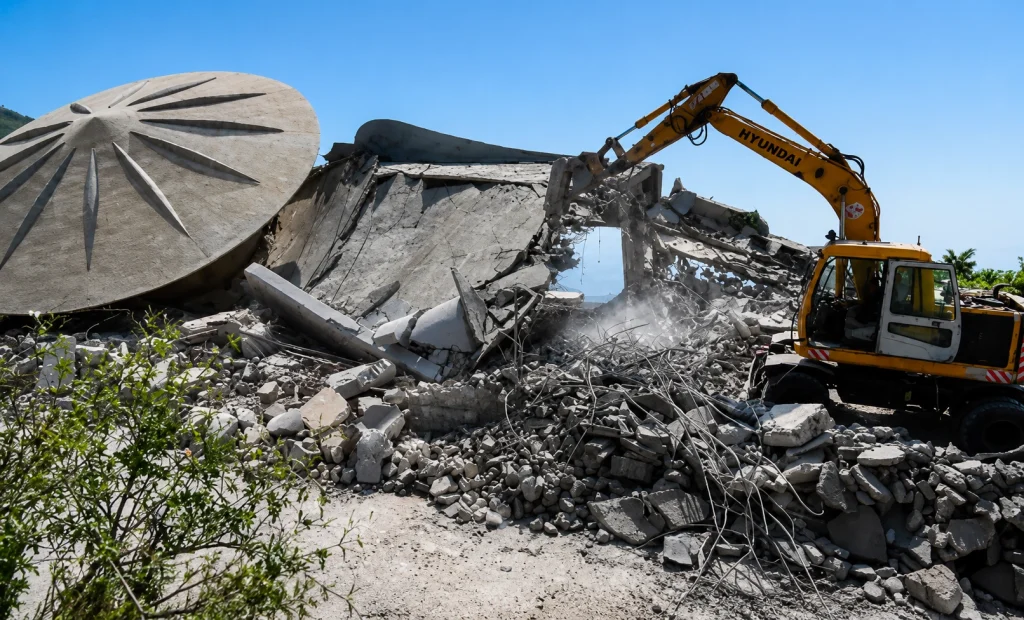
ISLAMABAD: It is important to note that the Federal Constitutional Court has declared the decision to demolish the Monal Restaurant of Pir Sohawa in Islamabad as illegal – considering it an unlawful decision of court, which ordered independent determination of ownership issue without any influence of judicial opinion. The Monal Restaurant demolition illegal ruling accepted appeals of Capital Development Authority and the Metropolitan Corporation of Islamabad and vacated the stay order that had been granted before.
This will now put an end to the looming threat of destruction of what is considered one of Pakistan’s most recognizable restaurants located in the Margalla Hills overlooking Islamabad with views that make it a landmark for the city’s residents for many years past.
What did the Federal Constitutional Court decide?
The ruling on the illegal demolition of Monal Restaurant has four clear judicial instructions:
- Quashed the demolition notice regarding the Monal Restaurant at Pir Sohawa
- Ordered trial courts to independently rule on the case of property ownership regardless of the views given by the Supreme Court in the past
- Ordered trial courts to conclude outstanding cases expeditiously
- Established that issues of regulation and administration must be ruled upon by the appropriate administrative bodies and not the judiciary
Acceptance of the appeals by both the CDA and MCI means that these two regulatory agencies are in a place to enforce their mandate on the property without any fear of Supreme Court’s decision for demolition hovering over their head.
Observations by Justice Rizvi Course Correction by the Judiciary
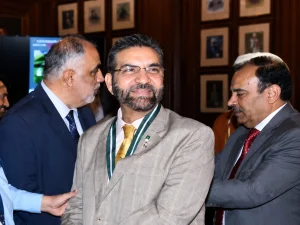
In the Monal Restaurant demolition order case decided by the Federal Constitutional Court, there were very significant observations made by Justice Hassan Azhar Rizvi which serve as a sharp criticism of the earlier Supreme Court decision which has now been overturned.
“Several important aspects have not been considered in the earlier Supreme Court judgment.”
Justice Hassan Azhar Rizvi
This is not a question of technicalities of the procedure. It is the official determination of the Federal Constitutional Court that the previous decision went beyond the scope of its jurisdiction, deciding on issues which were never raised in the court and hence should not have been included in its decision. This is a serious criticism of the reasoning which led to the decision ordering demolition.
The judge was equally clear about the approach of the court in the future:
“The court would not make any emotional judgment and would restrict itself strictly to the issues raised before it.”
Justice Hassan Azhar Rizvi
Where do We Go From Here? – Ownership Dispute in Trial Courts
The unlawful demolition decision for the Monal Restaurant does not solve the ownership dispute in which the two parties are embroiled. What this judgment does is that it takes out the issue of demolition and leaves the core question of ownership of the Monal Restaurant in Pir Sohawa to be solved by trial courts.
Regulatory Power – Where it Should Be
The Federal Constitutional Court’s decision, which has clarified that issues related to administration and regulation ought to be decided by the relevant regulatory authorities and not by the courts, has immediate practical consequences regarding the future management of the site of Monal Restaurant.
The CDA, being Islamabad’s regulatory authority, and the MCI, the metropolitan corporation, are the right institutions to make decisions about land use, licensing, and compliance at Pir Sohawa. The decision on demolition of Monal Restaurant brings back to these organizations their regulatory power that the previous Supreme Court decision had in effect usurped from them.
Word About Judicial Manners
As an example of judicial tone maintained by the Federal Constitutional Court during the proceedings, Justice Hassan Azhar Rizvi said to advocate Ahsan Bhoon who praised the court’s conduct:
“Lawyers should not compliment the court during proceedings.”
Justice Hassan Azhar Rizvi
It is clear that the statement has embodied the commitment of the bench to determine matters within its jurisdiction based on the matters that have been argued in front of it. This is clearly illustrated by the Monal Restaurant demolition illegal decision where the decision was confined to the arguments made.

Nayab Fatima is a media professional specializing in fact-based journalism, research, and analytical reporting on technology, telecom, aviation, and automobiles.