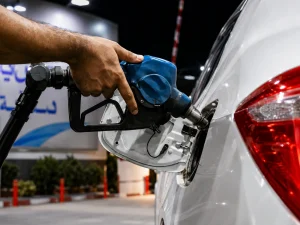
ISLAMABAD: A new pricing scheme for petroleum products that marks one of the biggest reforms ever implemented in the pricing system of Pakistan has been approved by the central government. Effective from now on, the new daily pricing system for petroleum in Pakistan, OGRA, will allow for all prices to be set on a daily basis by OGRA instead of the government and the Prime Minister and will remove ministerial approvals from all regular price announcements of fuel.
The confirmation letter by the Ministry of Energy’s Petroleum Division regarding the framework indicates a transparent and formula-driven system based on international benchmark prices, thereby eliminating political discretion from the fuel pricing process of Pakistan.
New Mechanism — How It Functions — The Architecture of the System
Removal of the need for federal government and prime minister approval for price announcement on a daily basis is the most transformational governance feature of this mechanism. Prior to this new system, all fortnightly price changes needed to be approved by ministers, which gave rise to delays in the price announcement and even freezing of prices prior to elections and accumulation of subsidy-related circular debts.
MS Petrol Pricing – 3 Cases
The pricing mechanism of daily Pakistan petroleum products by OGRA will be used in the case of MS petro prices in the following manner:
Case 1 – Importation of MS by PSO during the last 7 days:
Weighted average of premium, incidental and custom duty on the import of PSO will be taken into account.
Case 2 – No importation of MS by PSO during the last 7 days:
Year-to-date average of premium, incidental and custom duty will be considered effective since January onwards.
Case 3 – If long-term agreement is there:
In case where PSO has made long-term agreement with the foreign supplier regarding MS, then the arrangement premium for MS pricing will be taken, as it is in case of HSD pricing under the contract of Kuwait Petroleum Corporation.
Pricing of HSD (Diesel) – KPC Long-Term Contract as the Back-Up Price
The formula used by Pakistan to determine the prices of daily petroleum using the OGRA framework is almost the same in the case of HSD as well:
If there have been imports of HSD in the previous seven working days:
The average of the premium, incidentals, and customs duty based on PSO’s imports is used.
If there have been no imports of HSD in the previous seven working days:
The KPC term contract premium is used along with the average incidentals and customs duty for the calendar year to date.
Import Allocation PSO Monopoly of HSD Imports, OMC Imports of MS
The following import allocation regulations apply under the OGRA system of daily price-setting of petroleum products in Pakistan:
- For HSD imports, imports can be made only via PSO for FY2027.
- For MS imports, OGRA allocates the imports to the oil marketing companies through the Product Requirement Mechanism, where the imports have to be a minimum of 10,000 metric tons.
Default penalties: OMCs that default on their commitment to import MS, delay deliveries beyond the stipulated month, or default on upliftment from refineries will be barred from allocating imports for a period of nine months. This is a very strong penalty system, since it results in monetary repercussions.
Petroleum Levy – Cabinet Limit, Rates Advised by Finance Division
The Pakistani framework of petroleum prices based on OGRA has also been formulated with an equal amount of detail as far as petroleum levy is concerned. The levy rate will never cross the upper limit set by the cabinet, while the rates applicable during the fiscal year will be advised by the Finance Division. In addition to this, any adjustments in the rates in between the year will also be made after taking into consideration the advice of the Finance Division.
Relevance of the Change
There are three issues at once resolved by the Pakistan daily petroleum pricing process OGRA approval, which is why it matters so much:
Price lag is gone: With the use of seven-day rolling average, the domestic pricing is able to follow international crude pricing changes every week, not every two weeks. The Rs40 hike in diesel price that Pakistan currently experiences could have been better managed with daily pricing when Brent started rising above $85.
Political interference is prevented: Without need for ministerial approval for each price change, the prices cannot be frozen prior to elections, depressed as a PR stunt, and delayed because of a bad-news day. The formula works automatically – and OGRA makes the prices public every day.
Market transparency is provided: By posting the daily price assessments from Platts on OGRA’s website since July 1, all market participants – OMCs, refineries, industries, and consumers – receive an identical reference point.
From the daily petroleum pricing mechanism implementation by OGRA in Pakistan, consumers will get fuel prices that can change on each day of the week — prices will go up if international crude prices rise and drop if international crude prices fall. For the first time, this mechanism will work to set fuel prices, as the first test case will be the Brent crude price above $90 a barrel because of the Gulf dispute between the USA and Iran.

Nayab Fatima is a media professional specializing in fact-based journalism, research, and analytical reporting on technology, telecom, aviation, and automobiles.